


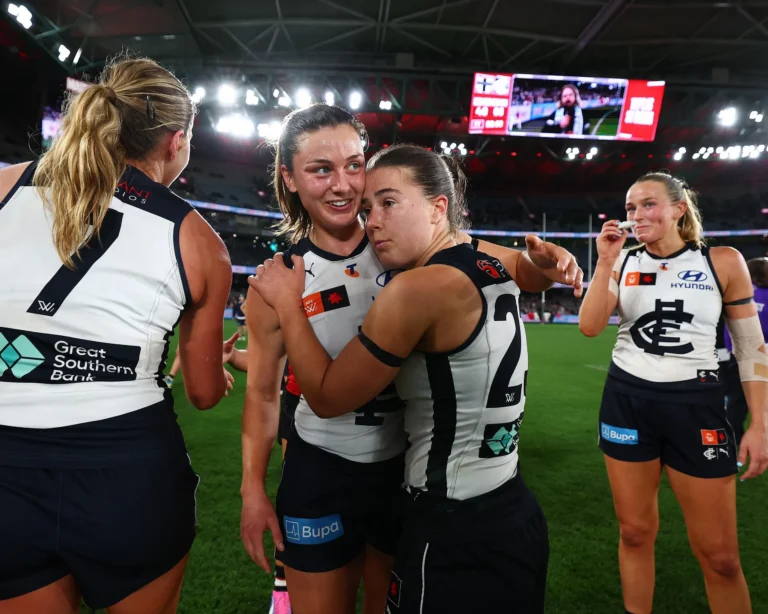
From afar, the scene appeared somewhat altered.
The AFL’s inaugural double-header featured some notable reservations. The first match was slated to kick off at 4:35 PM on a Sunday—hardly the most appealing time slot for many.
With the women’s and men’s matches combined, fans faced a lengthy duration of around six hours, which could be quite challenging for even the most dedicated supporters, let alone families with young children.
However, today marked a significant moment as the AFLW played a regular season match at Marvel Stadium. Today, the AFLW was welcomed back into the spotlight.
And true to form, the AFLW brought its cherished sense of community along for the journey.
Anyone who has attended a game in the last decade understands this experience. The league genuinely embraces its ‘W fashion, the AFLW brought its beloved community along with it. Anyone who has ventured down to a game in the past decade knows this feeling all too well. The league comes by its “country footy” comparison honestly. Game day brings the promise of familiar faces, from close acquaintances to AFLW regulars, and if you don’ comparison. Game days promise familiar faces, from acquaintances to regular attendees, and if you don’t run into someone you know, it often feels like that could change at any moment. Players engage with fans long after the final whistle, mingling, signing autographs, and taking selfies. The divide between the players and supporters is nearly nonexistent and continues to diminish.
Perhaps this dynamic is not solely due to their suburban home grounds. Women’s sports crowds have always attracted individuals who may feel out of place in traditional men’s sports environments. This unique atmosphere may have developed regardless of location. Despite their limitations, these grounds have allowed this community to connect and thrive into what we see today.
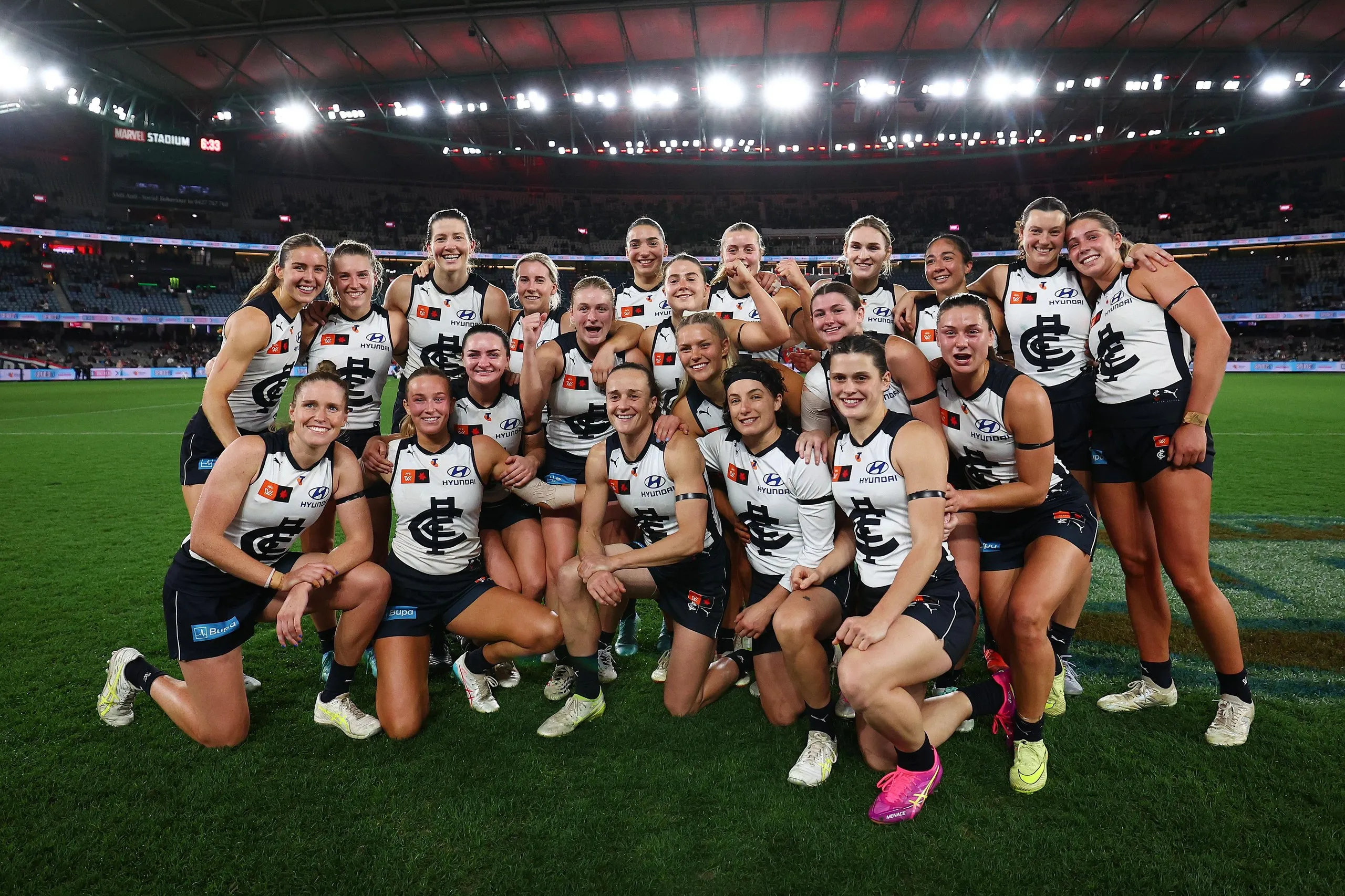
Transferring that community essence to a larger stadium setting was undoubtedly the greatest challenge of these double-headers. If you caught only the beginning of the broadcast, it might have seemed like they fell short of the mark. The lower levels of the stadium appeared largely vacant, with only small clusters of fans scattered throughout. The AFL’s concerns about crowd turnout seemed justified.
Yet, from a closer perspective, a different narrative unfolded. The familiar atmosphere of AFLW was vibrant and alive. It was the same diverse crowd you’d find at local grounds, just in a different venue—like encountering your English teacher in the grocery store. The passionate coaching from the sidelines was just as fervent, and the audience created enough noise to rival a much larger gathering. There were just as many young families as you would find at typical AFLW matches, even without the usual space for children to run around.

Simultaneously, there was a noticeable influx of newcomers. During the early moments, most fans were situated in the upper levels in the general admission seats, but as the women’s match progressed, lower-level reserved seats began to fill up. By the final quarter, the attendance was nearing 18,000. Whether intentional or incidental, these fans were introduced to the AFLW experience, embracing both the community and the sport itself. The AFL’s gamble appeared to be justified.
Ultimately, the unoccupied spaces became insignificant.
The players utilized the field effectively as well. From the opening ball-up, it was apparent that the game would hinge on which team could adjust more swiftly to the extra room—something that had been hard to come by just a week earlier during the Australia vs. Ireland match at North Sydney Oval. The ongoing discussions served as a timely reminder that, in the end, it’s all about the footy.
And the game certainly had its highlights.
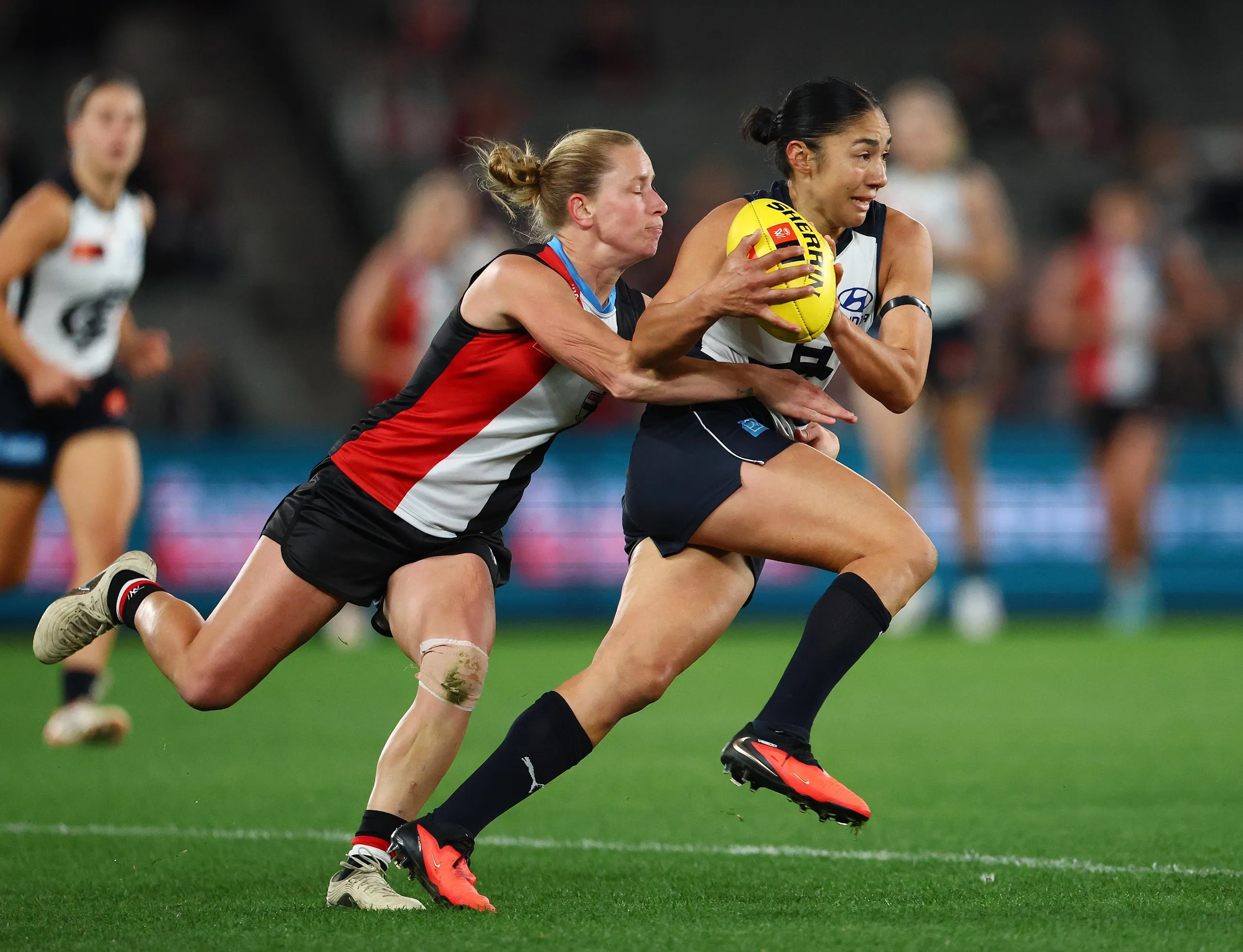
Carlton came out strong, resuming where they left off last season and establishing themselves as a team eager to make a statement.
Darcy Vescio rose to the occasion in a high-stakes environment, a familiar sight in the AFLW now.
Amber Clarke delivered a stunning soccer-style goal, reminiscent of past Matildas performances on this same pitch.
St Kilda showcased a determined comeback attempt in the last quarter, putting on a display for their loyal supporters and, perhaps, winning over a few additional fans in the process.
Despite moments where the contest felt somewhat lopsided, both teams contributed standout moments to this significant match, with the Blues ultimately defeating the Saints 9.12 (66) to 6.4 (40).
This was footy rooted in suburbia, yet completely at ease on the grand stage. Considering this was just one match to adapt, the potential for future performances at the stadium seems limitless.
The decision moving forward appears clear from any perspective.
During the transition between games, AFL and AFLW players from both teams united arm-in-arm at the center circle. It was fitting that the event marking a new chapter for the AFLW was Spud’s Game. From the smallest venues in the country to the largest platform, it’s the people surrounding footy that hold the most significance. Today served as a perfect reminder.