



Sydney’s season was initially expected to be over by now. The club’s decision to suspend five players for violating standards was anticipated to severely weaken the team, leading many to predict a swift exit from the finals. However, while attention centered on the suspended players, a motivated group of remaining teammates—still featuring standout talent—rose to the occasion, surprising Brisbane and advancing to a home preliminary final.
This emotionally charged victory positioned the Swans as the 13th team since 2000 to win a qualifying final by over 50 points. Notably, eleven of the previous twelve teams subsequently reached the grand final. Despite this surge in momentum, Dean Cox’s squad must now contend with the significant loss of captain Callum Mills, who suffered a serious knee injury against the Lions. The Swans have transformed skeptics into believers as their players have stepped up amid challenges. Yet, defeating the minor premiers to secure a third grand final appearance in five years would be a remarkable achievement.
Fremantle is navigating a tougher path than desired towards their second men’s grand final, facing an away preliminary final. Nevertheless, the Dockers demonstrated their resilience by overcoming a formidable challenge from the experienced Cats in a high-stakes semi-final. Justin Longmuir’s team can draw confidence from their recent record at the SCG, having won two of their last three matches there, along with a narrow loss by less than two goals in their most recent visit last year. The minor premiers can also reflect on a dominant performance in round 18, where they scored 100 points in a single half, decisively defeating the Swans in a top-of-the-ladder showdown.
Where the game will be won – and lost
With their captain sidelined on Thursday along with three major stars and several role players for the remainder of the season, Sydney still boasts an impressive forward line capable of overwhelming opponents, as evidenced by their victory over the back-to-back premiers. The Swans led the league in scoring during the home-and-away season, and they added another 141 points—marking their highest score ever in a final—against the Lions. They required only six goal scorers to amass 21 goals, with standout performances from Logan McDonald (six), Charlie Curnow (five), Tom Papley (five), and Hayden McLean (three), sending a clear message to the Dockers about the depth of their attacking options.
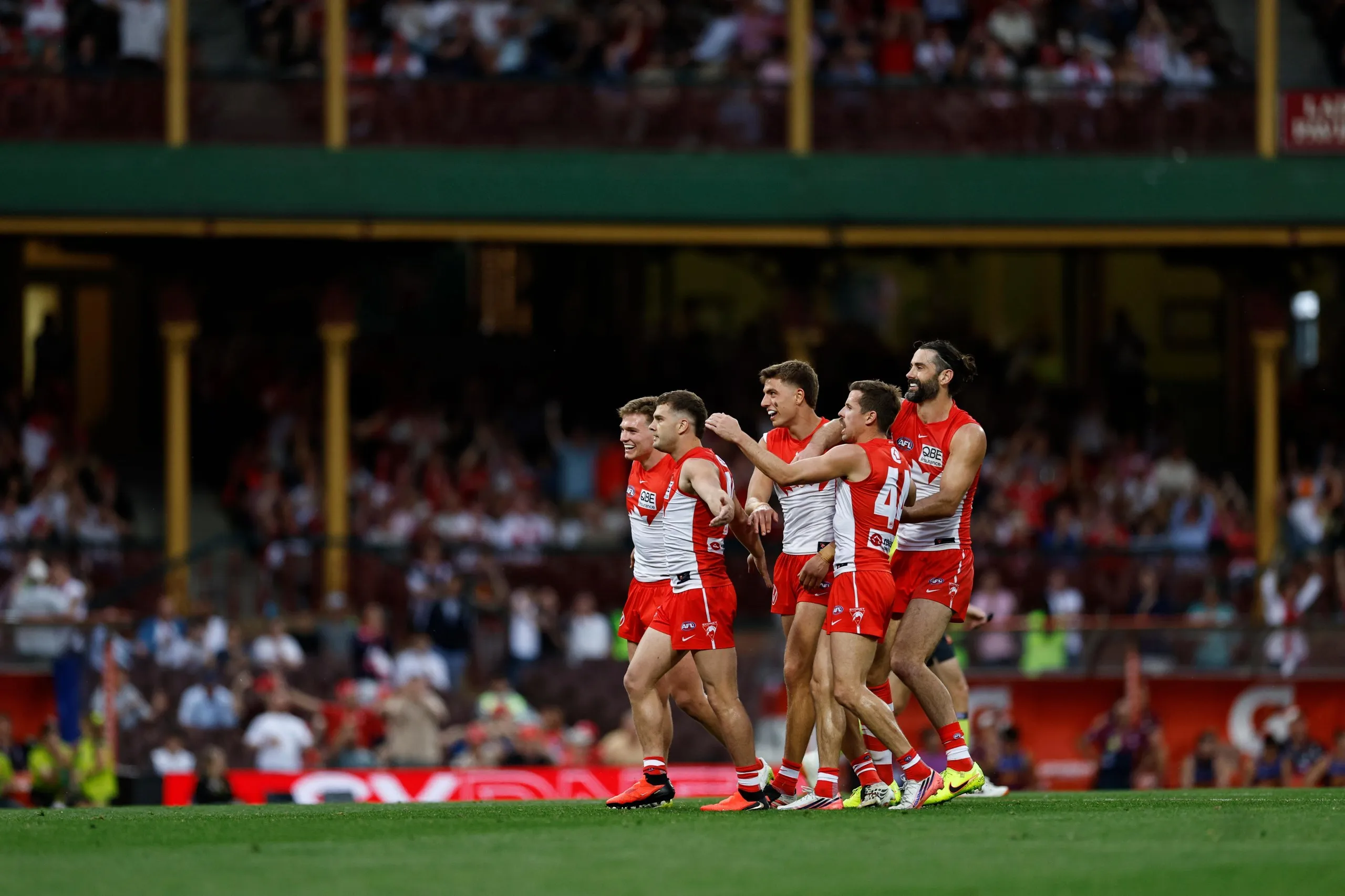
Known for their fast-paced game style, the Swans have also cultivated a reputation for the heightened intensity typical of finals. They lead the league in scoring from clearances, boasting a perfect 14-0 record when they outscore their opponents from this area. In their qualifying final, Cox’s team excelled at scoring from stoppages, limiting the Lions to their equal lowest season total of one goal from clearances while generating 39 points themselves from center clearances.
Fremantle has proven equally capable of capitalizing on center clearances, scoring 45 points from this source in their semi-final matchup against Geelong. Shai Bolton emerged as a key player, quickly securing the opening two goals for the Dockers by taking advantage of opportunities from the middle. Nonetheless, there are concerns regarding their defensive lapses, as they allowed the Cats to score 36 points from the same area. Versatile big man Luke Jackson could play a crucial role in the stoppage contest after achieving a game-high eight clearances against Geelong. The Dockers’ midfield contingent, featuring Hayden Young, Caleb Serong, Andrew Brayshaw, Murphy Reid, and Bolton, will challenge the Swans’ depth.
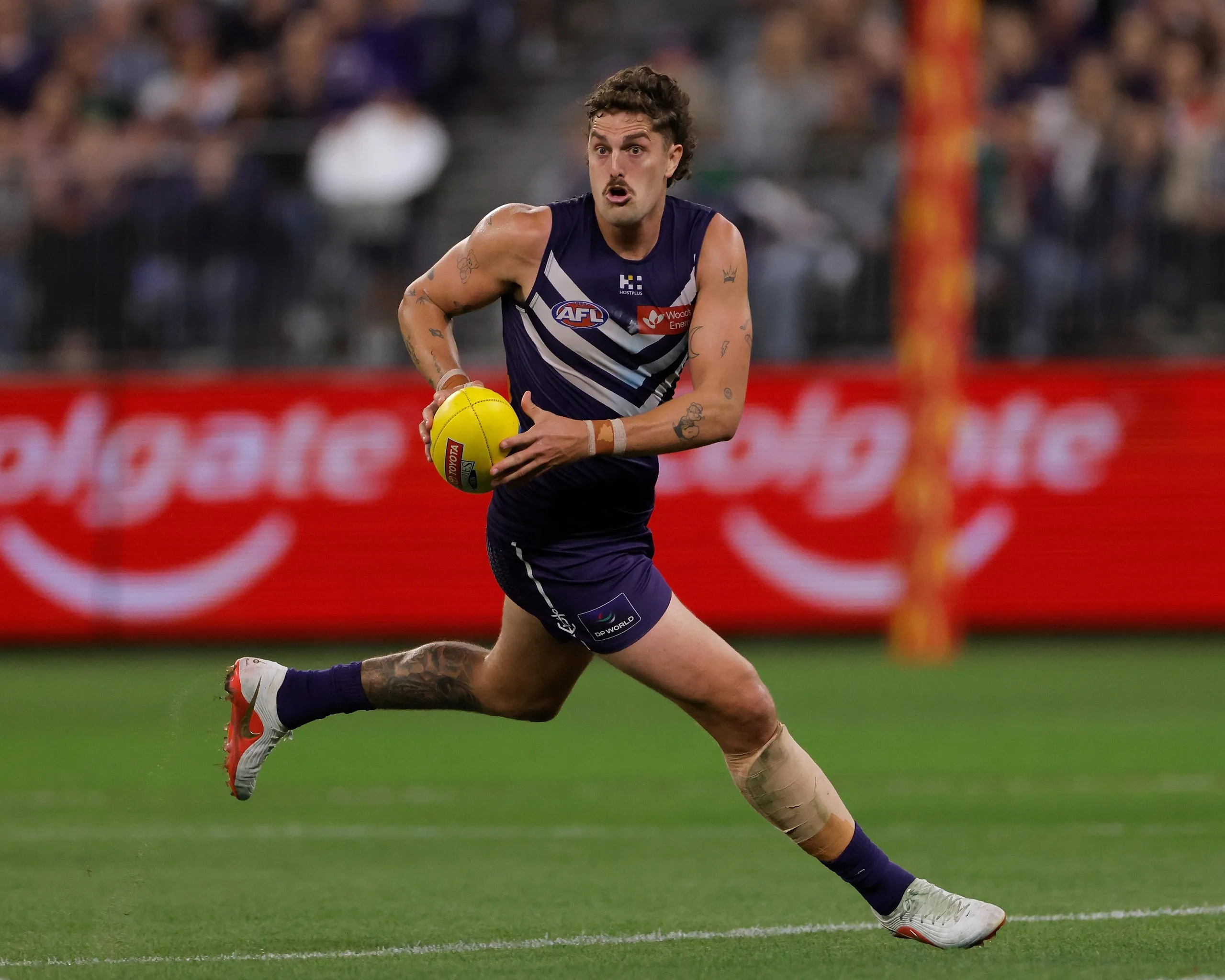
Following a challenging outing against the Hawks, Fremantle will be pleased that their three-pronged tall forward setup came through in their second final, with Josh Treacy, Jye Amiss, and Patrick Voss combining for seven goals against the Cats, with Voss leading with four. Their capacity to take marks inside 50 will be vital for creating scoring opportunities while also limiting the Swans’ ability to rebound.
Game-changers
Errol Gulden: In the wake of five teammates’ suspensions, the Swans’ hard-running midfielder took on a greater responsibility during the impressive victory over the Lions. The academy graduate has averaged 39 disposals, seven clearances, and nine score involvements over his last six matches, peaking at the ideal moment. The 24-year-old was a strong candidate for the role of stand-in captain in Mills’ absence before former co-captain Dane Rampe was chosen. Gulden demonstrated his leadership during the Lions’ surge, executing an incredible solo goal from the midfield that shifted momentum back to his team. While the Swans may lack some star power, Gulden possesses the ability to inspire his teammates like few others.
Shai Bolton: The Dockers’ dynamic player set the pace for his team’s impressive comeback following their qualifying final setback, scoring the opening two goals within minutes of the first ball-up against the Cats. The two-time All Australian concluded the game with 26 disposals, four clearances, and eight tackles, enhancing his role as a high-impact onballer. The 27-year-old’s ability to connect plays is crucial for transitioning from defense to offense, and he remains a constant threat in the forward zone, averaging a goal per game. Bolton is expected to have James Rowbottom closely monitoring him whenever he enters the midfield, as the Swans’ tackling specialist effectively contained Lachie Neale in the qualifying final.
Early prediction
Fremantle has demonstrated their ability to perform under pressure, achieving only their second finals victory since 2015 in a thrilling contest against Geelong. While Sydney has shown they can prevail in challenging situations, the loss of their captain and the diminished surprise factor in their finals strategy may render a matchup against the minor premiers too daunting for the undermanned team.