

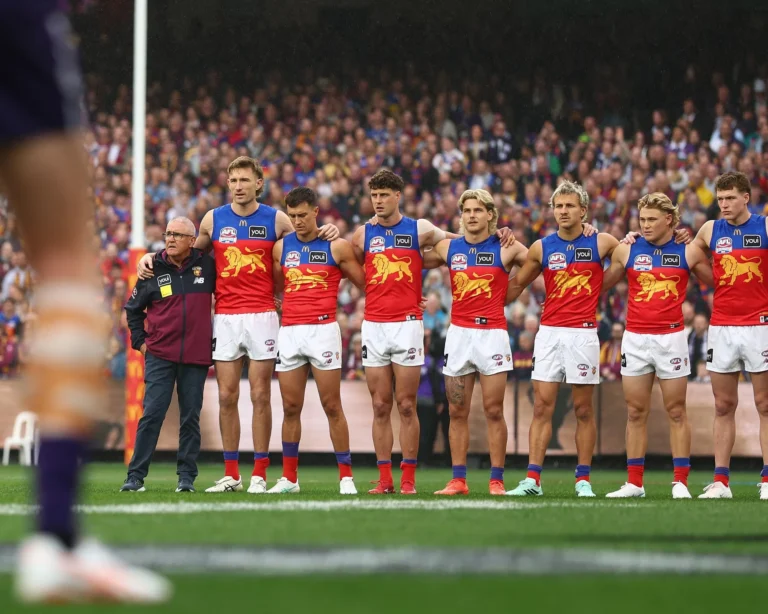
An unprecedented event unfolded at the MCG on Saturday, echoing through the history of finals losses, including the Bulldogs’ defeat in the 1997 preliminary final against Adelaide and St Kilda’s 2009 grand final loss to Geelong. A senior official from St Kilda once remarked that the atmosphere in the rooms post-game resembled “a casualty ward following a mass disaster” Thankfully, such stark language is less common in today’s sports discourse, as modern athletes and clubs manage to gain perspective on their circumstances.
The mood in the rooms, stands, and trains on Saturday was characterized by a blend of despair and confusion. This was influenced by Fremantle’s historical context, the activation of Wharfie Time, and the sheer speed at which events unfolded. A team spends over three decades building an identity, only to have their hopes dashed in mere minutes.
As they departed the MCG, coach Longmuir and the senior players began to reflect on how Brisbane approached their loss in the 2023 finals. Just twenty minutes after that game, Chris Fagan was already promoting a message of hope. “There’s lots of teams that have lost close grand finals that have gone on to win premierships in the ensuing years,” he stated. “That’s plenty of evidence that grand final losses don’t have to define you or destroy you, but that they can be the making of you.”
Brisbane’s Resilience and Challenges
Since that loss, Brisbane has faced numerous challenges, suffering multiple ACL injuries in 2024 alone. There were whispers about an off-season trip to America. After nine rounds, while Sydney soared to the top of the ladder, the Lions found themselves in 13th place. They came back from a seven-goal deficit in a semi-final match in western Sydney to win, and even turned around a preliminary final against Geelong, with ruckman Oscar McInerney on the verge of collapse due to a dislocated shoulder. They emerged victorious from both challenges.
Doubts loomed last year, too, as they drew with North Melbourne in Tasmania, faced three losses at the Gabba, and suffered a significant defeat in a qualifying final. This year mirrored those struggles with further off-field controversies, several lackluster home and away games, another qualifying loss, and a grand final week saga involving Lachie Neale, yet they managed to secure another premiership.
Key Factors in Brisbane’s Success
So, how did they reach this point? What positions them to challenge the four consecutive flags of Collingwood from the Depression era? A significant factor is the depth and distribution of talent within the team. Their midfield exhibits an ideal combination of extraction, flair, and contributions from Josh Dunkley, while the forward line balances size, height, and varied roles. Their defense comprises players designed to shut down opponents, others to dictate the play, and some to create opportunities.
Another aspect contributing to their success is the construction of the roster. The Brisbane team that exited in 2004 against Port Adelaide was aging and fragile. In contrast, the current roster boasts an enviable age profile, a result of astute management, talent identification, and favorable AFL policies. Players like Will Ashcroft, Jaspa Fletcher, and Darcy Wilmot are just 22, while Logan Morris is 21. Even the veterans, such as Harris Andrews, Josh Dunkley, Hugh McLuggage, Jarrod Berry, and Zac Bailey, are still in their twenties.
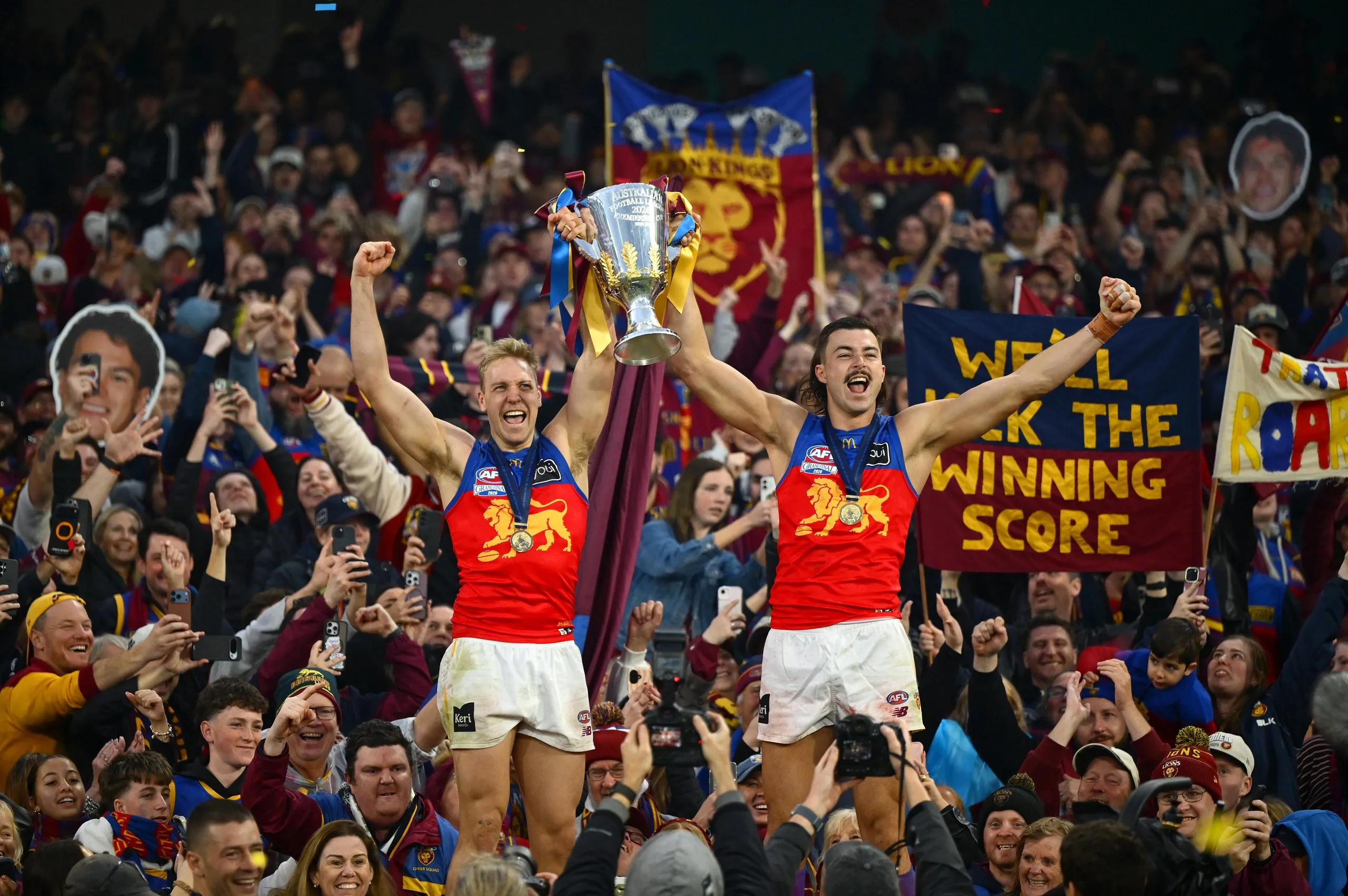
Coaching has also played a critical role. Fagan took over a struggling team, experiencing heavy losses in his first year. They showed significant improvement in his second season but fell short in many close matches. Their breakthrough came in the third season, although they faced numerous seasons where opportunities were squandered due to poor game management, missed shots on goal, and sheer bad luck. Throughout these challenges, Fagan maintained his faith in a core group of players, refusing to drop them. Like Leigh Matthews at Collingwood and Brisbane, he has remained fiercely loyal to those who have performed in crucial matches, and like Matthews, he has adapted his coaching style to suit different personalities. He understands which players can handle criticism and which thrive on instinct.
Most importantly, this team thrives under pressure and needs challenges to excel. They respond to adversity, require wounds to heal, and thrive on a hostile crowd and skeptical commentary. As Fagan put it, “they need to get themselves in a dire situation.” They remind one of Novak Djokovic, who, after a great shot, displays a look of wounded defiance, suggesting that the hurt fuels his performance. The activation of Wharfie Time should have been inconsequential, yet Brisbane made it significant.
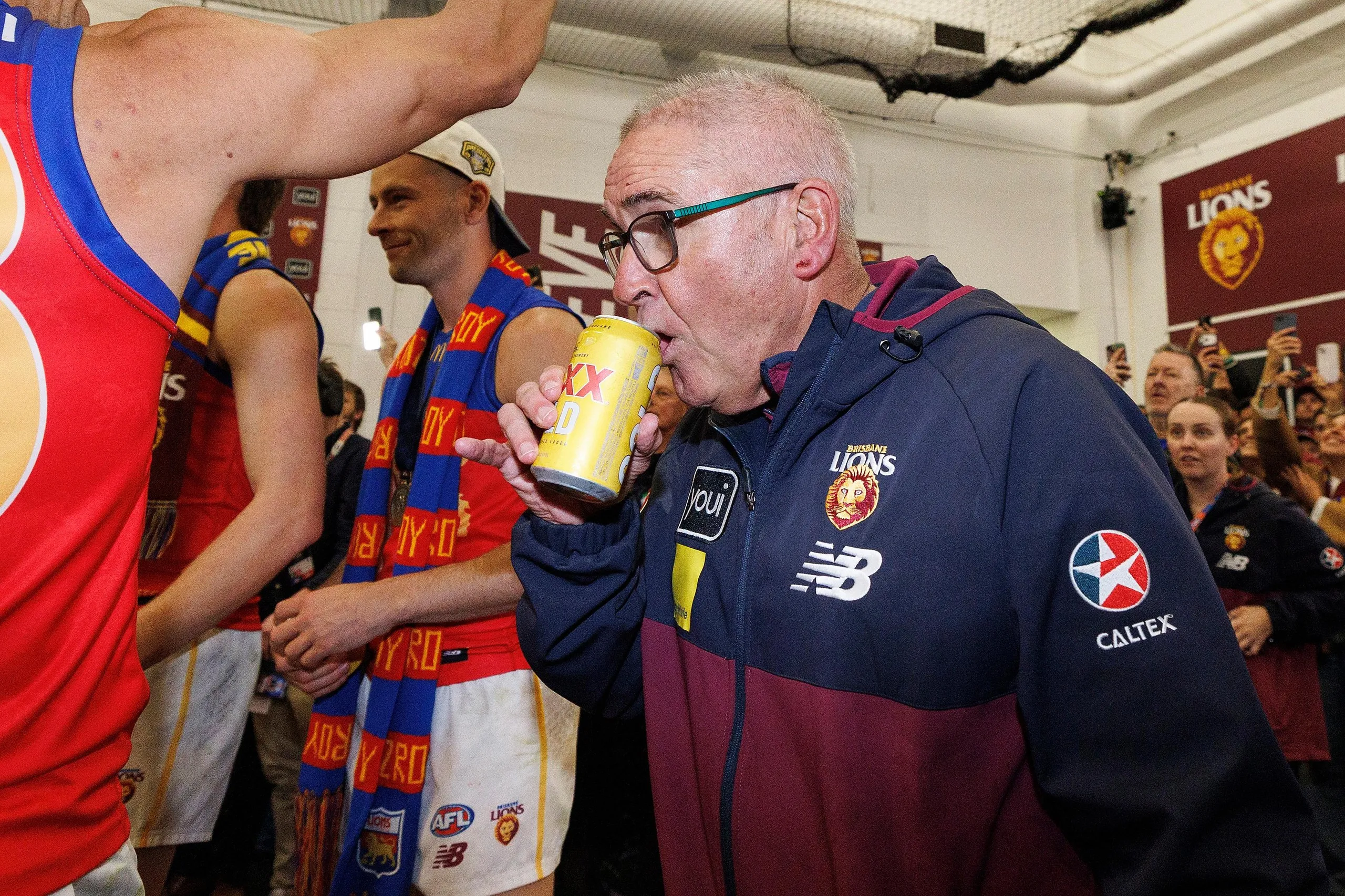
After the final siren, Fagan bore the expression of someone exclaiming, “After a great shot he’ll flash that look of wounded, nostril-flared, defiant, pleading supremacy, like: You hurt me into playing like this.” Many spectators, regardless of age, likely shared similar sentiments. An hour later, he was back to his jovial self, mingling with players and their families on the MCG field. Later that evening, at the Pullman Hotel, he was seen being hoisted on his captain’s shoulders, a 65-year-old grandfather reveling to Run DMC. He may very well drop the mic this week, but the melody he has orchestrated will resonate long into the future.