


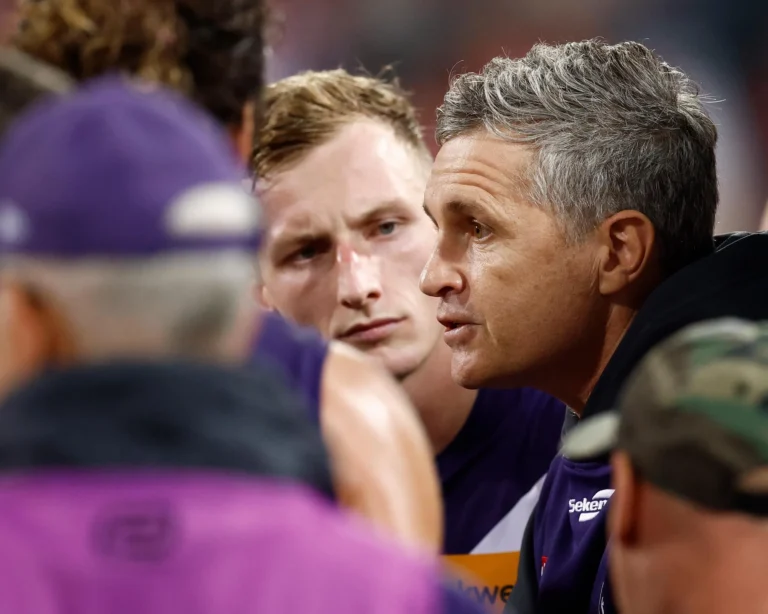
Justin Longmuir observed the chaos from the edge of Fremantle’s rooms last Friday night. His team had triumphed over a competitive yet limited Sydney squad, leaving him feeling both relieved and exhausted. While some individuals naturally command attention upon entering a room, many in football fit this mold—teachers, generals who never saw battle, and actors who project confidence to players and critics alike. Most are a bit eccentric.
Longmuir has consistently stood out as an outlier—an introverted figure who often appears anxious and uneasy during press conferences. When he began his coaching career, he had to muster the courage to speak in front of large audiences. He doesn’t engage in confrontations, create distractions, or speak in enigmatic terms. He describes himself as an over-thinker, noting that he is more critical of himself than any outside observer, and there have been many critiques. As one of just two senior coaches without experience in a grand final, he can easily become a target when results falter, lacking the playing record, presence, charisma, and edge found in many of his counterparts.
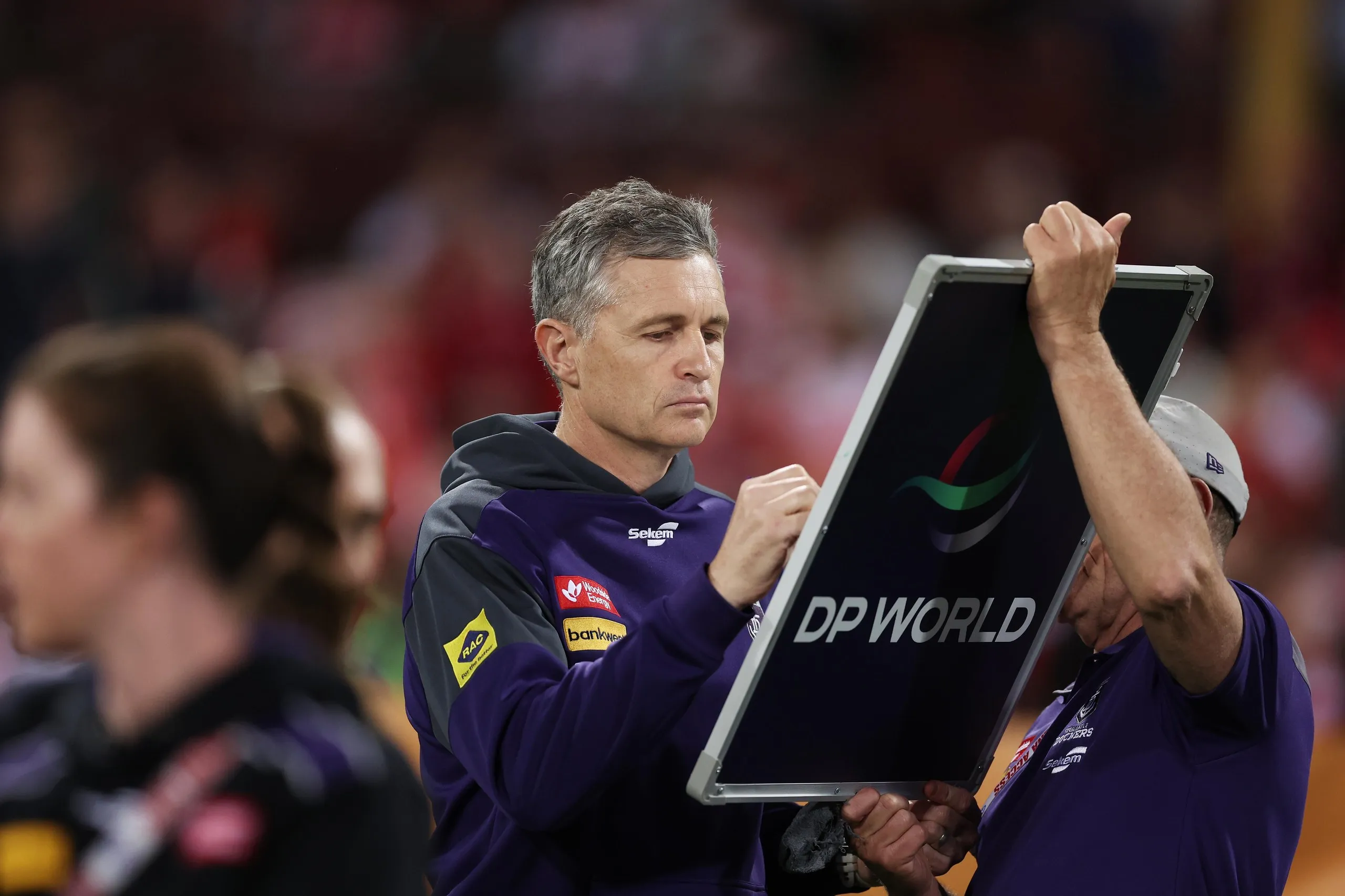
Embracing the team’s diversity
At the SCG on Friday night, Longmuir chose to let his players enjoy their come-from-behind victory in the preliminary final. The team is an eclectic mix of backgrounds, featuring a blend of pedigree and underdog stories. Among them is Mason Cox, a charming Texan, Patrick Voss, known for his flamboyant style, and Alex Pearce, the captain with perfectly tousled hair. Players like Andrew Brayshaw and Caleb Serong, who enjoyed favorable conditions during their junior careers, still play with the determination of those striving for survival in the sport.
Many of their teammates could have easily been lost to the system, overlooked in numerous drafts, or drawn from lower-tier competitions. Countless players were identified, nurtured, and placed in favorable situations to flourish. Much of the credit belongs to David Walls, with his keen eye for talent and strategic list management. However, Longmuir has developed a reputation for recognizing hidden potential and supporting players whom others might have dismissed.
The significance of ‘process’
“I’m a process kind of guy,” Longmuir stated upon his hiring as the head coach of Fremantle. He frequently emphasizes the word “process” in his discussions. While it may not make for thrilling headlines, it serves as his foundation when facing a five-goal deficit in a preliminary final. He references this approach when the team dominates in Perth and is labeled as favorites, and he recalls it during their darkest moments last year, exemplified by a dismal 61-point loss to St Kilda at Marvel Stadium.
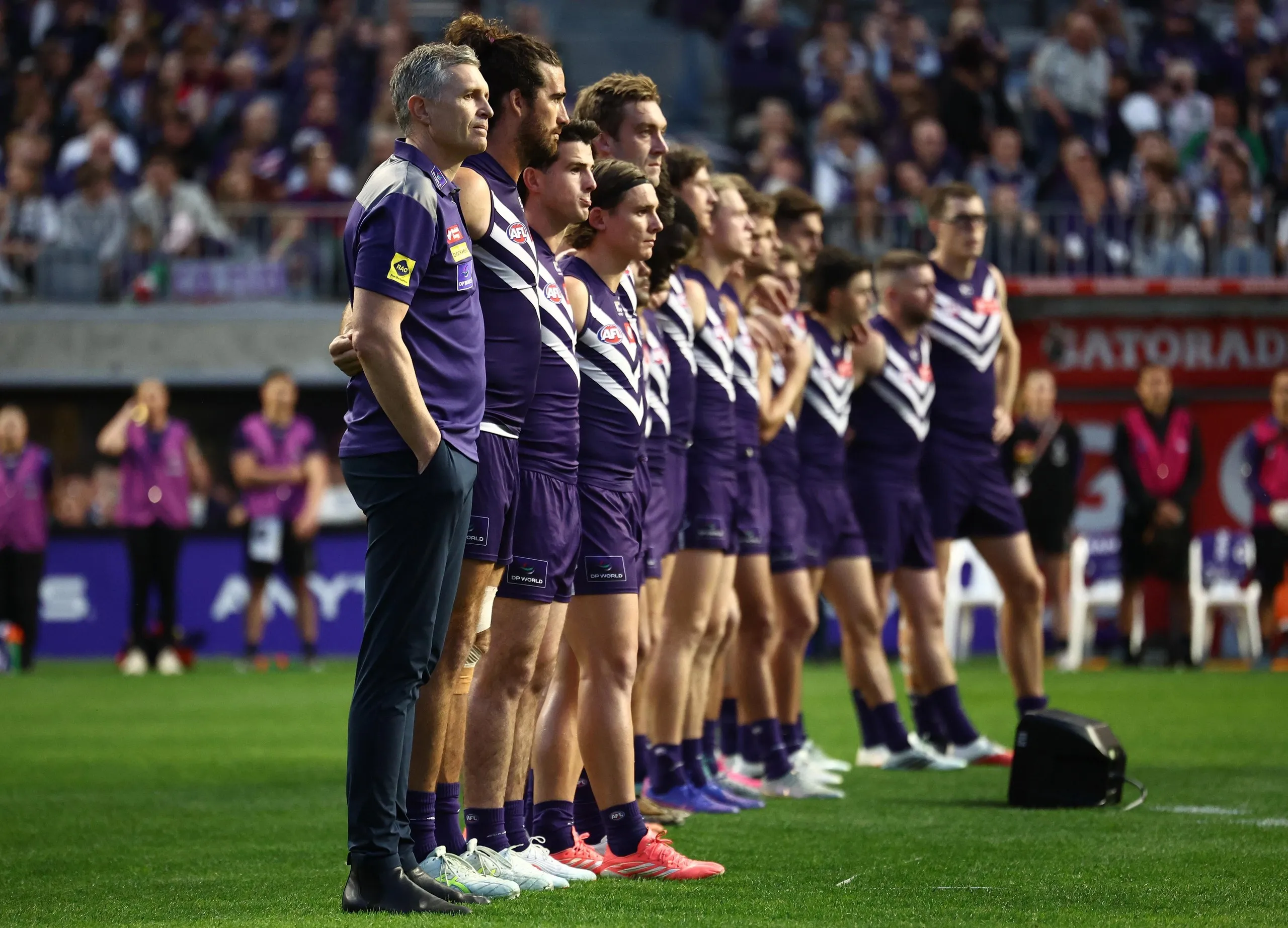
The concept of “process” helps him navigate the highs and lows of the game, treating both triumphs and failures as illusions. It also signals the club’s confidence in their strategy. The roster has been thoughtfully assembled, with a clear focus on achieving their inaugural premiership. They have done so without relying on father-son selections, academy picks, or free agents. Not only have they excelled in the lower tiers of the draft, but they also possess a keen eye for elite talent. The two standout players in Friday night’s victory—Hayden Young and Serong—were chosen at picks seven and eight of the 2019 draft, just a month after Longmuir’s appointment. The players selected before them were Dylan Stephens and Fischer McAsey.
The “process” is applicable in meeting rooms, during three-quarter-time huddles, and in discussions about list management. It is crucial for maintaining focus. After all, coaching is not a realm for dreamers. As José Mourinho once quipped, poets do not win titles. Yet, the broader narrative surrounding Fremantle transcends procedural matters. It encompasses themes of class, loss, and dark humor, reflecting 30 years of being the underdog, the lovable loser. Occasionally, both the coach and his players will invoke their history, discussing the aspiration of becoming Fremantle legends. They quickly temper their enthusiasm, realizing that dwelling too much on it could lead to self-doubt, especially as they face formidable opponents like Brisbane.
When breaking their premiership droughts, coaches like Mark Williams, Paul Roos, and Luke Beveridge have drawn upon their clubs’ histories, both in public forums and private celebrations. It is difficult to envision Longmuir engaging in theatrical displays, such as performing a mock hanging with his tie or energetically shouting, “HERE IT IS!” into a microphone. Yet, uncertainties remain. Until 5:30 PM on Saturday, he must assume the role of a tactician rather than a daydreamer. His focus needs to be on overcoming one of the greatest teams in history, rather than worrying about the emotional state of his supporters. Beneath the surface of his process-oriented approach lies the understanding that, in both sports and life, the burden of history often rests on the most unassuming individuals.
- This is an extract from Guardian Australia’s free weekly AFL email, From the Pocket. To get the full version, just visit this page and follow the instructions.