


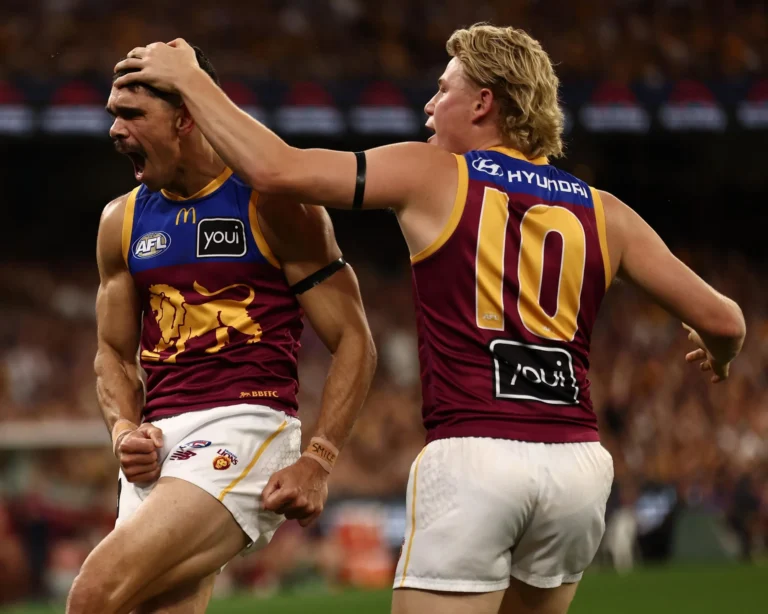
Throughout the history of Australian rules football, preliminary finals have produced some of the most unforgettable matchups. Iconic games, such as Geelong’s victory over North Melbourne in 1994, are celebrated for their high-scoring exchanges. Others, like the 2023 clash between Collingwood and GWS, are remembered for their intense confrontations. Historical contests such as Hawthorn’s win over Melbourne in 1987 and Sydney’s triumph over Essendon in 1996 stand out for their dramatic conclusions. Additionally, games like the 1997 bout between the Crows and Bulldogs evoke powerful emotions in the losing supporters. Individual brilliance has also shone through, with legends like Ablett, Long, Kouta, and Cox etching their names into history. Recently, the 2016 preliminary final in western Sydney and the Brisbane-Geelong contest in 2024 have been noted for their consistently high standards of play.
The Brisbane-Hawthorn preliminary final on Saturday encapsulated the essence of these memorable encounters, blending various elements into a chaotic yet unforgettable experience. The match featured momentum swings, impressive skills, tactical depth, and a fair share of controversy, all packed into the first 20 minutes. A noted historian once described Australian football as an “emotional bath of agony and ecstasy” While that phrase may seem hyperbolic, it perfectly captures the essence of this game. It could very well be regarded as the greatest preliminary final in history, if not the finest exhibition of the sport ever witnessed.
Post-Match Reflections
Beginning with the aftermath of the game, Hawthorn coach Sam Mitchell entered the press conference with the demeanor of someone facing a daunting task. “This feeling is the pits,” he expressed. It was refreshing to see a coach so candidly affected, devoid of usual clichés and forward-looking statements. He articulated feelings of anger, despair, confusion, and pride. His team had much to be proud of, having rallied from a 28-point deficit against one of the most formidable teams in history. Despite their struggles at center stoppages, they persevered and nearly secured a grand final spot, only for fate to intervene.
Controversial Decisions and Key Moments
Another crucial moment to discuss is the free kick awarded against Jarman Impey. The umpire’s decision to make that call deserves recognition for its boldness. With a roaring crowd, a season at stake, and mere seconds remaining, he positioned himself correctly and stood firm. Impey was tackled, his arm was free, and he failed to dispose of the ball adequately. While there were several contentious decisions throughout the match, particularly in the closing moments, this particular call was commendable, rather than deserving of backlash.
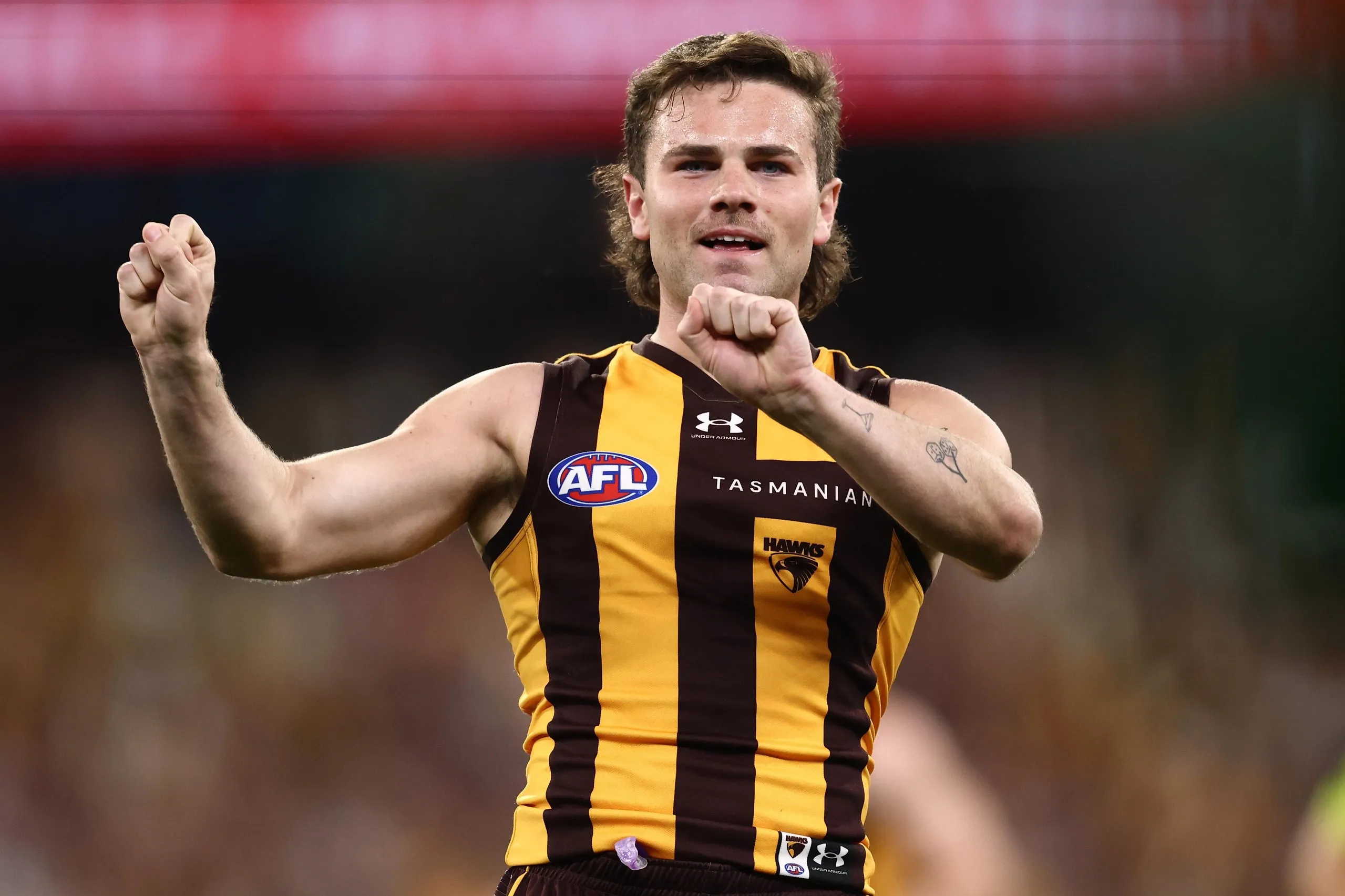
During various phases of the match, both teams exhibited resilience. Initially, the Lions found themselves 22 points behind, struggling against the relentless Nick Watson, who had no natural counter. They were outplayed by a team exhibiting exceptional football skills. A parallel can be drawn to last year’s preliminary final, where they stunned Collingwood with quick goals following halftime, altering the atmosphere of the game entirely. This year’s resurgence, however, unfolded more gradually and systematically. By the third quarter’s tenth minute, it was clear the game had shifted to Brisbane’s favor, playing at their pace, in their territory. As Mitchell later reflected, there was a moment when he questioned whether his Hawks were simply outmatched.
As Brisbane began to falter, Hawthorn capitalized on the opportunity. Mitchell remarked that Josh Ward is the only player capable of winning two most improved player awards consecutively, and he played a pivotal role in the decisive quarter. Watson, too, continued to astound; each extraordinary move he made left Chris Fagan visibly bewildered, as if he recognized there was no player in Australia who could contain him. His fifth goal was particularly remarkable, seemingly appearing from nowhere to score. He is a remarkable talent, and Fremantle must be relieved they don’t have to face him this week.
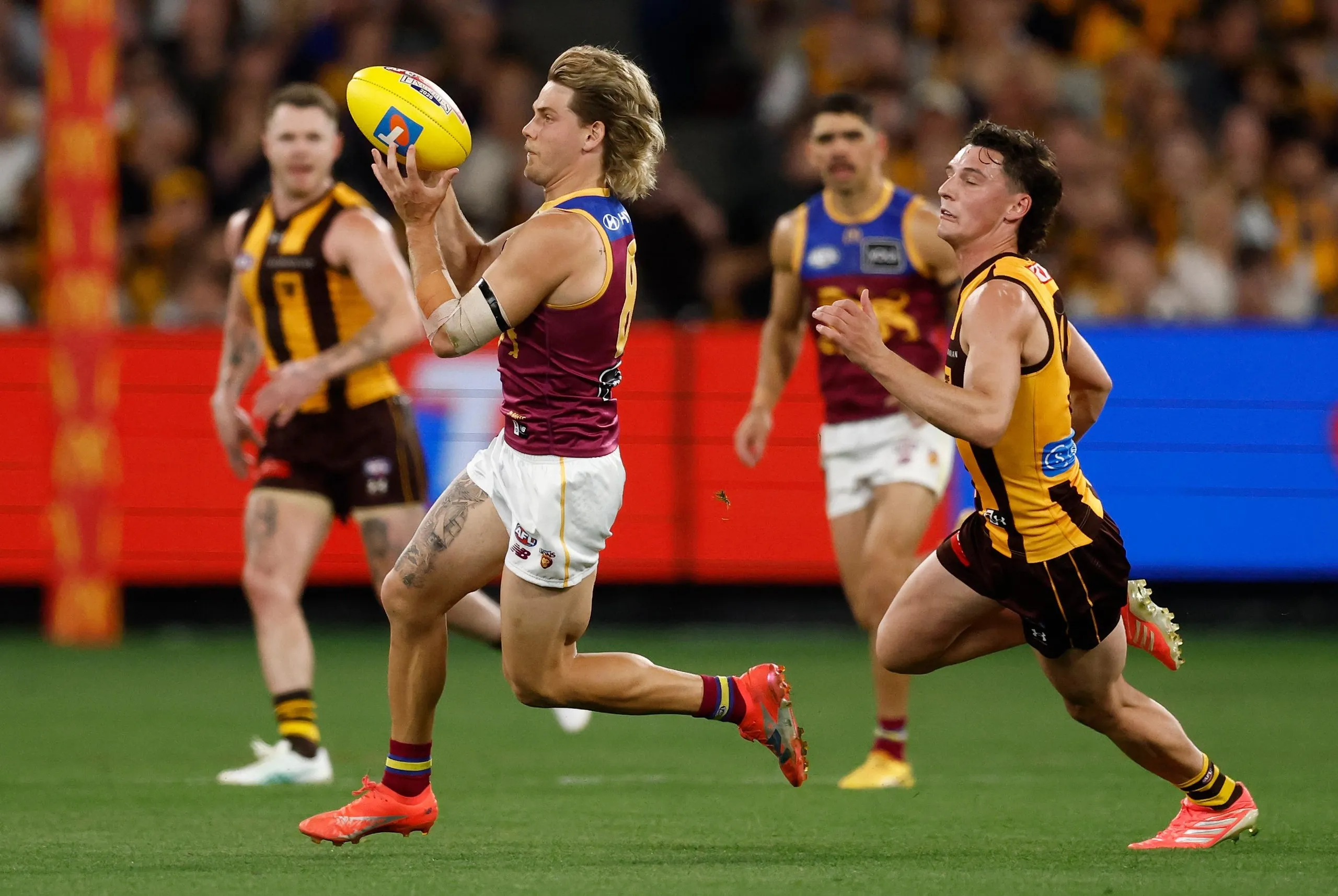
Earlier moments of heroism during the match, such as Conor McKenna’s skillful play and Charlie Cameron’s powerful goal in front of the members’ stand, feel like distant memories. The chaos of the final minutes was filled with defining moments that may fade from memory—Tom Barrass’s mark, Impey’s tackle on McKenna, Brisbane’s defensive teamwork, Mitch Lewis’s spectacular leap, and Levi Ashcroft’s crucial spoil. Will Ashcroft displayed remarkable composure as he navigated the final stoppage. Josh Dunkley made several critical interventions in the closing moments that changed the flow of the game—whether it was a block or a punch. He indicated afterward that it was the most physically and emotionally taxing game he’s played since the 2016 preliminary final. One could argue that both matches rank among the best ever, with Dunkley excelling in both.
High scores do not inherently equate to a great game. The AFLX format featured high scores without the same intensity. This final illustrated the full spectrum of what makes the sport thrilling, beautiful, harsh, and unforgiving. It is a match that will be discussed for generations. It is unfortunate that only one team will have the chance to compete again this Saturday.